Introduction
In today's fast-paced world, effective communication is paramount, especially in the healthcare sector. With patients expecting seamless interaction and timely responses, healthcare providers must leverage advanced communication solutions. But how do you choose the right provider for your healthcare communication needs? In this article, we will explore various aspects of selecting an ideal communication partner, delving deep into the nuances of business phone systems, integrated communication platforms, and more.
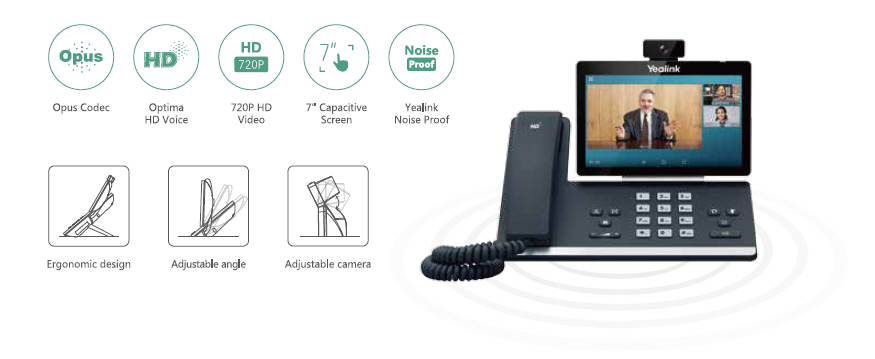
By understanding your specific requirements and evaluating potential providers based on their expertise, experience, and offerings, you can ensure that your organization remains at the forefront of effective patient engagement. So, let’s dive into the essential factors to consider when choosing a healthcare communication provider.
Choosing the Right Provider for Your Healthcare Communication Needs
Understanding Your Communication Requirements
Before even starting to look at potential providers, it’s crucial to assess your organization’s unique communication needs. Here are some questions to ponder:
- What types of communications do we need to handle (e.g., voice calls, messages, video conferencing)? How many users will require access to these systems? Are there specific compliance requirements we need to meet (like HIPAA)?
By answering these questions, you can outline a clear picture of what you need from a provider.
The Importance of Business Phone Systems in Healthcare
Business phone systems are foundational for any healthcare organization. They not only facilitate internal communications among staff but also enhance external interactions with patients. Here’s why they matter:
Streamlined Communication: A robust business phone system allows for quick access between departments. Patient Satisfaction: Patients expect prompt responses; efficient phone systems help meet these expectations. Cost Efficiency: Many modern systems offer VoIP services that reduce costs significantly.Features to Look for in Business Phone Systems
When searching for a business phone system tailored for healthcare needs, consider the following features:
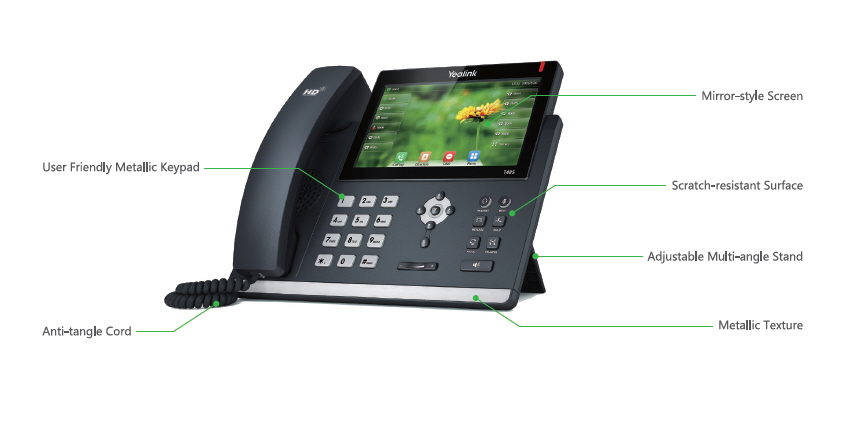
- Voicemail-to-Email Integration: This feature allows easy access to messages without needing to dial into voicemail. Call Forwarding and Routing: Ensures calls are directed efficiently within your organization. Mobile Accessibility: Enables staff members to receive calls on-the-go through mobile devices.
Evaluating Provider Experience and Expertise
A provider's experience in the healthcare sector can greatly influence their ability to cater to your unique needs. Here are some indicators of expertise:
- Years in business Client testimonials within the healthcare industry Case studies showcasing successful implementations
Compliance Considerations When Selecting Providers
Healthcare is heavily regulated. Thus, ensuring that your chosen provider adheres to compliance standards is non-negotiable. Some key regulations include:
- HIPAA Compliance: Any information transmitted must be secure. Data Protection Regulations: Ensure that patient data is handled with utmost care.
Cost Implications and Budgeting for Communication Solutions
Understanding the financial aspect of adopting new communication technology is crucial. Be sure to review:
Initial setup costs Subscription or licensing fees Ongoing maintenance expensesThe Role of Integrated Communication Platforms
Integrated platforms combine various communication tools into one system—think email, messaging apps, video conferencing—all accessible from a single interface. This can simplify operations immensely.
Benefits of Integrated Communication Platforms
Unified Experience: Staff can communicate seamlessly across different channels. Enhanced Collaboration: Teams can work together more effectively when using integrated tools. Improved Patient Engagement: With all tools at hand, staff can respond faster and more accurately.Assessing Customer Support Services
The level of customer support offered by a provider should weigh heavily on your decision-making process. Key aspects include:
- Availability (24/7 support?) Multiple contact methods (phone, chat, email) Responsiveness and resolution times
Key Factors Affecting Your Choice
Choosing the right provider involves considering several key factors beyond just features and pricing.
Scalability Options
Your chosen solution should grow with you as your organization expands or evolves. Ask providers about scalability options such as:
- Adding new users or departments Upgrading service plans Integrating additional features over time
User-Friendliness of Technology
The technology should be intuitive enough for all staff members—consider training requirements during implementation if it's complex.
Training Resources Available
Review what training resources are available from the provider:
Onboarding sessions Online tutorials or manuals Ongoing education opportunitiesSecurity Features in Healthcare Communication Tools
Given that sensitive patient information is often involved in communications, security features should never be overlooked:
| Security Feature | Description | |------------------------|--------------------------------------| | End-to-End Encryption | Ensures data remains confidential | | Regular Software Updates| Protects against vulnerabilities | | Two-Factor Authentication| Adds extra layer of security |
Frequently Asked Questions (FAQs)
1. What should I prioritize when choosing a communication provider?
When choosing a provider for your healthcare communication needs, prioritize compliance with regulations like HIPAA alongside user-friendliness and customer support services.
2. How important is integration with existing tools?
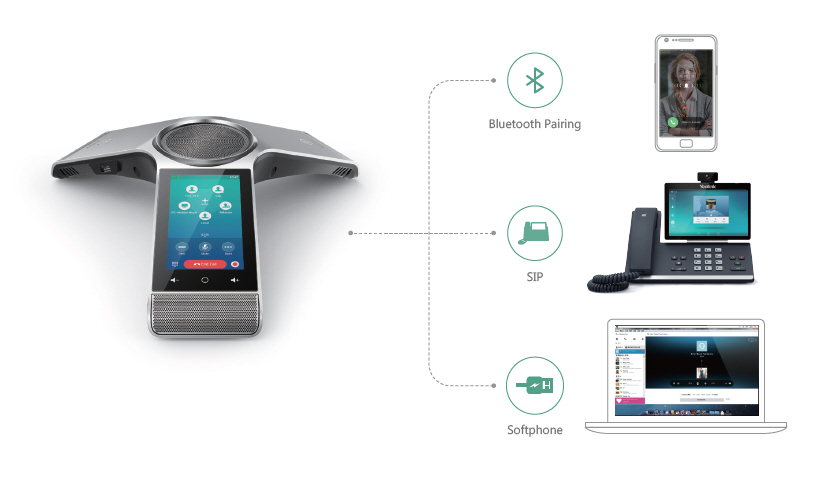
Extremely! Seamless integration ensures that you don’t have to retrain staff on multiple platforms while maintaining workflow VoIP Phone System Walnut CA efficiency.
3. Are VoIP systems secure enough for healthcare communications?
Yes! When configured correctly with proper security measures like encryption and regular updates, VoIP systems can be very secure.
4. Do I need a large budget for effective communication solutions?
Not necessarily! There are cost-effective options available; it's about finding one that meets both your budget constraints and functional needs.
5. How long does it typically take to implement a new system?
Implementation time varies based on complexity but typically ranges from several weeks to months; make sure you plan accordingly!
6. Is ongoing support necessary after deployment?
Absolutely! Continuous support ensures any issues can be resolved quickly without disrupting patient care workflows.
Conclusion
Selecting the right provider for your healthcare communication needs may seem daunting at first glance; however, by keeping crucial factors like compliance standards, technological capabilities like business phone systems in mind along with evaluating customer support services effectively simplifies this task significantly.
Whether you're looking into integrated platforms or traditional business phone systems—each choice plays an integral role in enhancing how you engage with patients while ensuring smooth inter-departmental operations within your organization.
With thoughtful consideration regarding each aspect discussed throughout this guide paired with diligent research—you'll be well on your way toward making an informed decision that'll benefit not just your practice but ultimately improve patient satisfaction levels too!
So go ahead—take that leap towards better communications today!